

Khiva Travel Guide
Former names: Kheyvak
Altitude: 98 m above sea level
Popular languages: Uzbek, Karakalpak, Russian
Time zone: UTC+5
Living nationalities: Uzbeks, Karakalpaks
International phone code: +998 62
Postal code: 2209XX
Vehicle code: 90-94
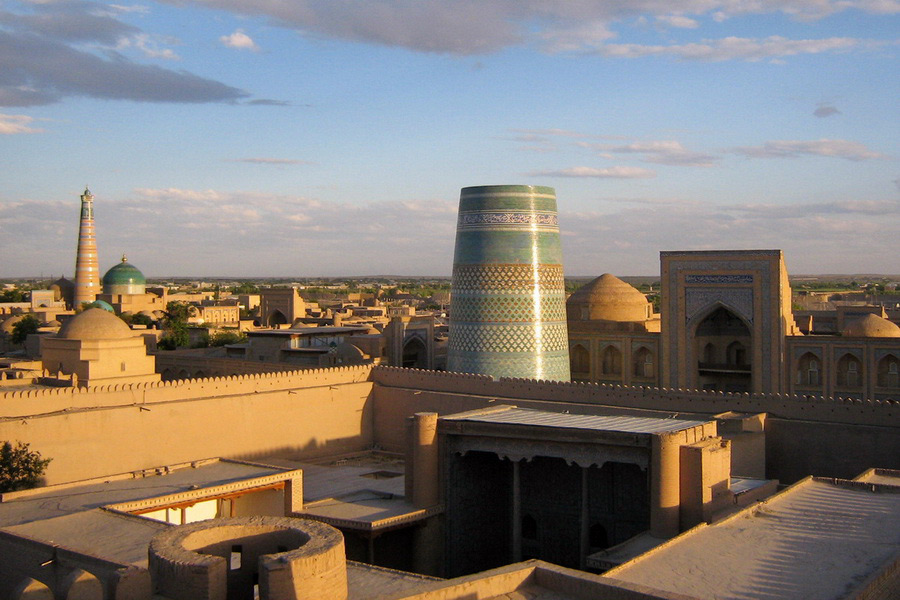
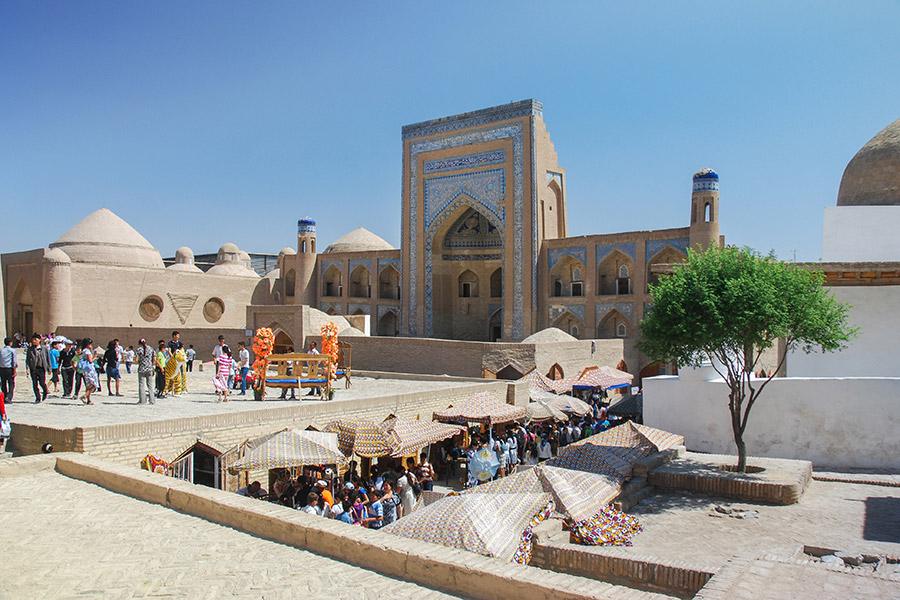
Khiva, an ancient city in Uzbekistan, draws thousands of visitors annually from around the globe. Its crown jewel is the Ichan-Kala fortress, essentially a city within a city, where each architectural marvel is a part of the UNESCO World Heritage List. This includes nearly 60 monuments like mosques, minarets, madrasas, palaces, and mausoleums, each corner rich with history.
Remarkably, Khiva is among the few cities in Uzbekistan over two millennia old, having celebrated its 2500th anniversary in 1997.
How to Get to Khiva
Despite lacking an airport, Khiva is accessible via various modes of transport. The nearby Urgench Airport, 30 kilometers away, connects with cities like Tashkent, Moscow, St. Petersburg, Makhachkala, Baku, and Istanbul. Additionally, trains from Tashkent, Andijan, Samarkand, Navoi, Bukhara, and Termez reach Khiva. Driving from Urgench is quick, but the unique trolleybus route between Urgench and Khiva offers a more intriguing journey. Furthermore, it's possible to travel from the Turkmen city of Dashoguz, 70 kilometers away.
Is Khiva Safe?
Khiva is considered one of Uzbekistan's safest cities. Most visitors stay within the Ichan-Kala walls, bustling with tourists and patrolled by law enforcement. However, it's always wise to follow basic safety rules and keep an eye on your belongings.
Brief History of Khiva
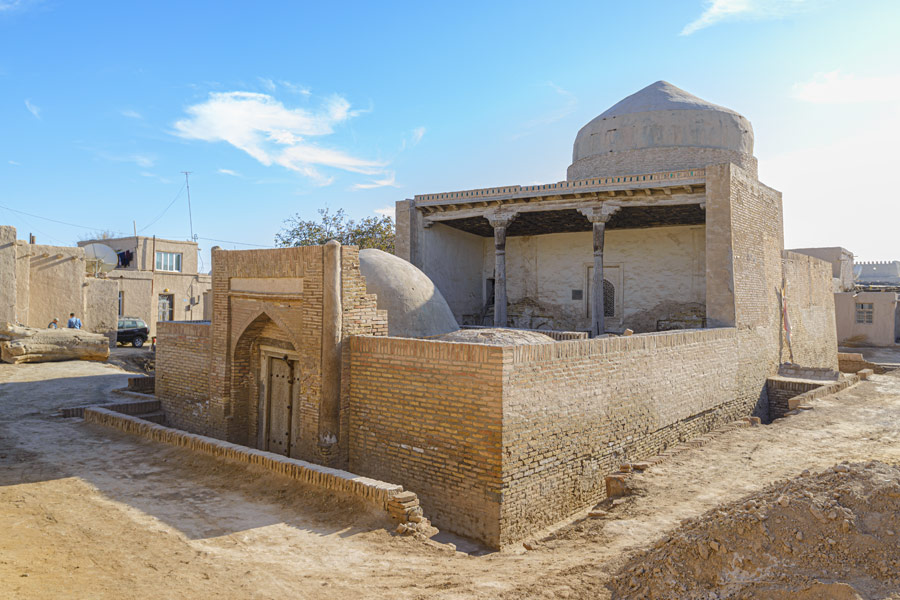
Legend traces Khiva's origins back to biblical times, linked to Noah's son Sim and a well named Heivak, around which the city emerged. Archaeological evidence suggests Khiva's existence over 2500 years ago. The state of Khorezm, established in the 7th century BC, had ties with Georgian Colchis, and Khiva likely became part of Khorezm no later than the 4th century. Initially Zoroastrian, Khiva was conquered by Arabs in 712, leading to the loss of historical records. The city's modern history began in the 10th century under the Mamunids dynasty of Khorezmshahs, ushering in a period of scientific and cultural growth. The Mamun Academy gained renown even in Europe. However, in 1220, Genghis Khan's troops destroyed Khiva, which only regained prominence in the 16th century as the capital of the Khorezm Khanate. By the 17th century, it became a major Muslim center, and the 18th and 19th centuries saw a new era of prosperity and construction within Ichan-Kala. Russian forces captured Khiva in 1873, ending its role as a significant slave trade hub. In 1920, Khiva became part of the USSR and later independent Uzbekistan in 1991.
Khiva Sights & Attractions
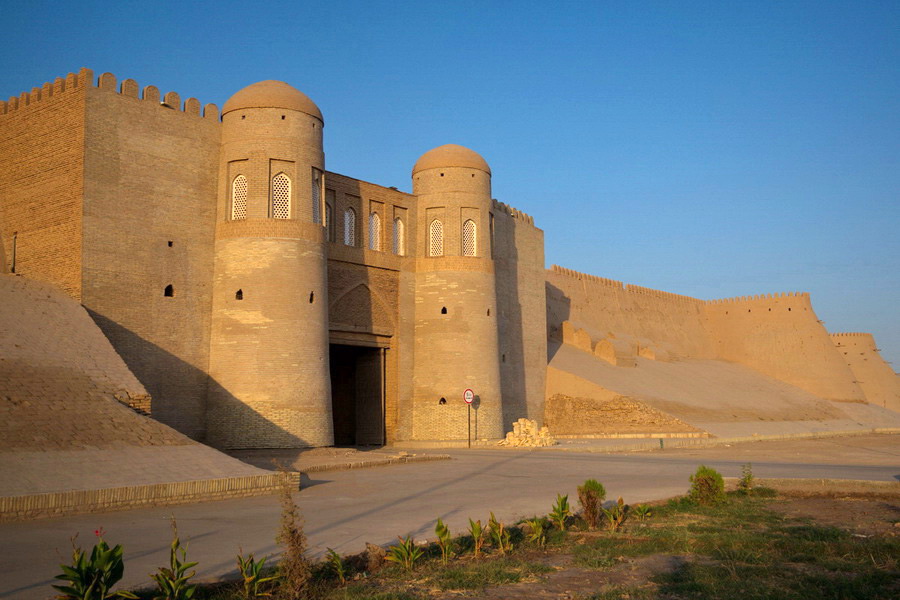
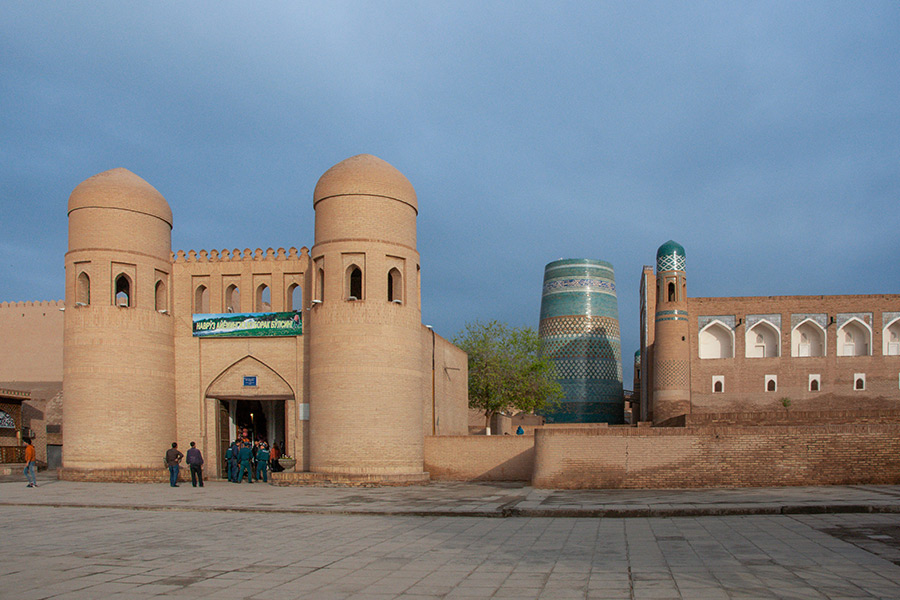
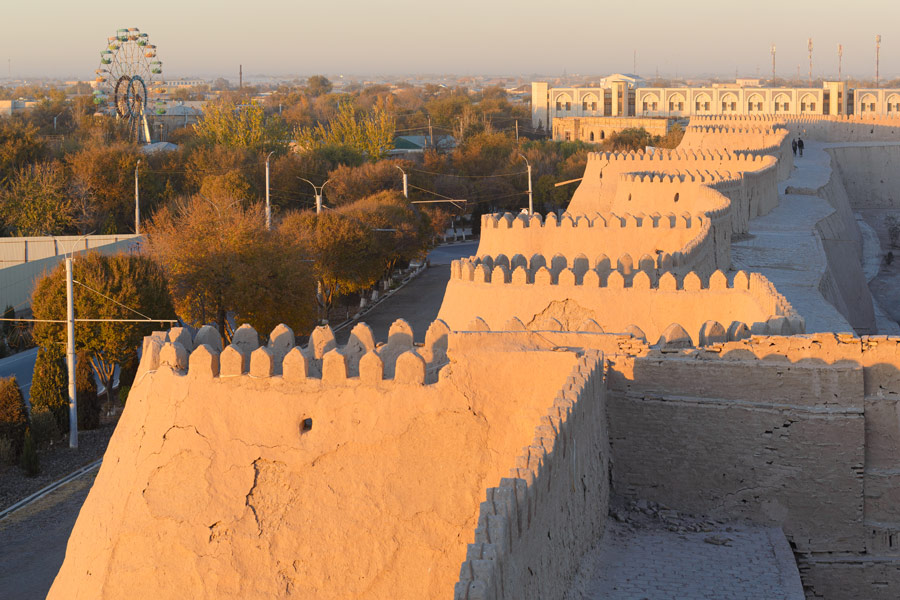
The Ichan-Kala Fortress, a distinguished feature on the UNESCO World Heritage List since 1990, is the main attraction of Khiva. This inner city, or shahristan, is encircled by historical fortress walls, originating from the 5th century near the famous Heivak well. The walls' height varies from 8 to 10 meters, with a thickness of 6-8 meters, and they extend over a length of 2250 meters.
Entrance to Ichan-Kala is through four gates, each with its own history: the Eastern Gate (Palvan-Darvoza) was built in 1806, the Western Gate (Ata-Darvoza) in 1829, and the Southern Gate (Tash-Darvoza) in 1840. The construction date of the Northern Gate (Bagcha-Darvoza) is unknown, but it too dates back to the 19th century.
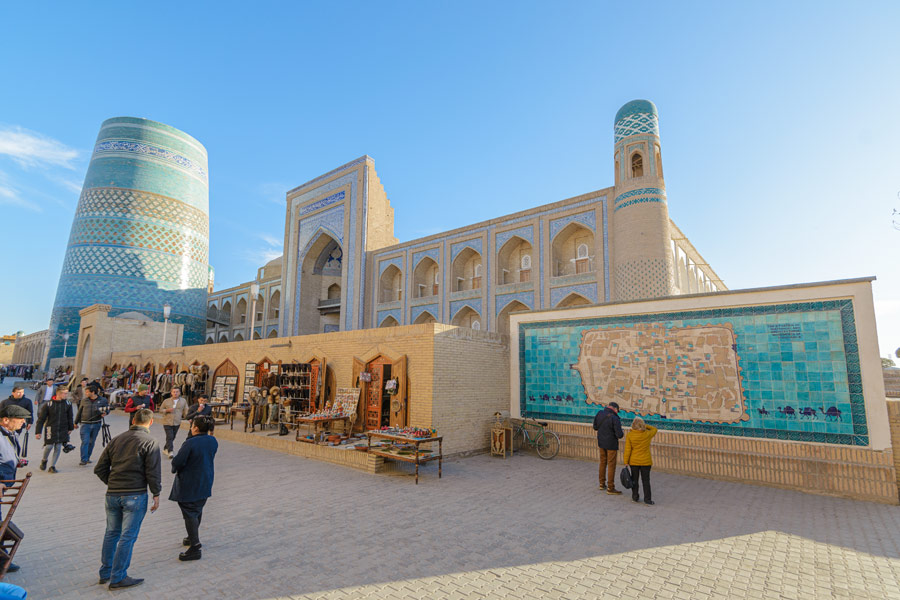
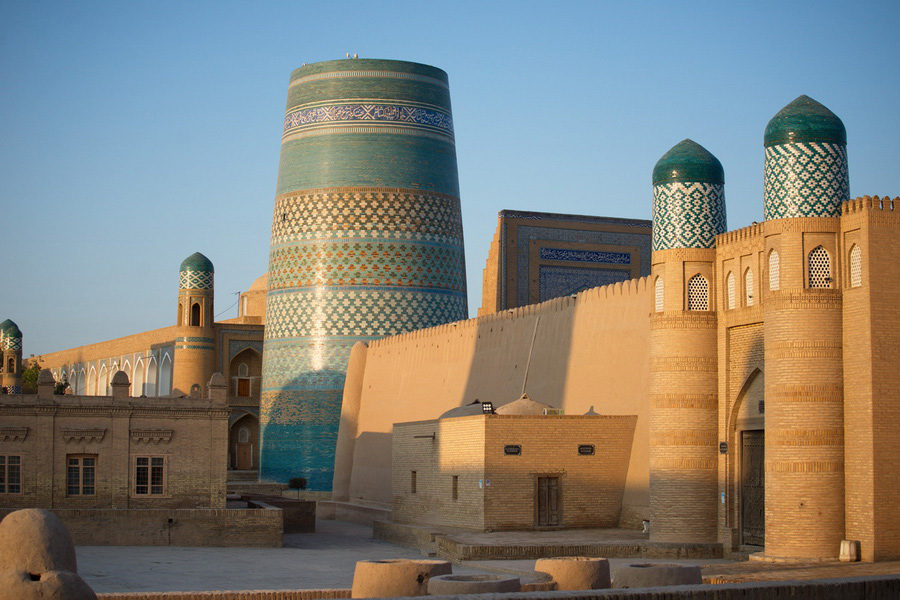
Adjacent to the iconic Kalta Minor is the Muhammad Amin Khan Madrasah, built in 1855. This two-story madrasah, the largest in Khiva, has 125 cells, now functioning as a unique hotel.
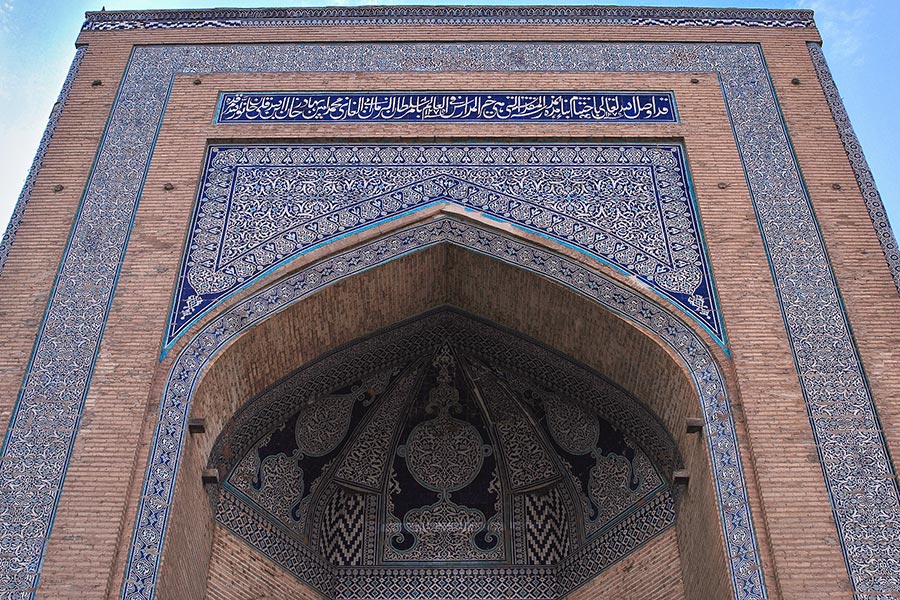
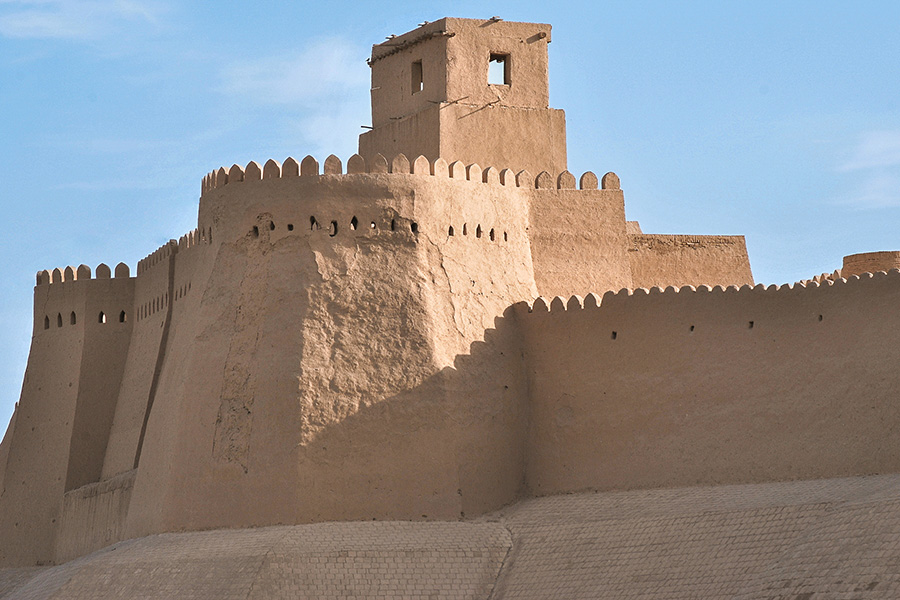
Kunya-Ark, formerly a residence of the Khiva khans, is another historical site. The palace complex, initiated in the late 17th century, included mosques, a harem, living quarters, and more, highlighted by the Ak-Sheikh-Bobo observation tower, offering a panoramic view of Ichan-Kala.
The Tash Hauli (Tash Khovli) palace, built in 1838, later overshadowed Kunya Ark, becoming the main palace of the Khiva Khanate. It is renowned for its exquisite majolica and wood carvings, including separate quarters for the Khan's four wives.
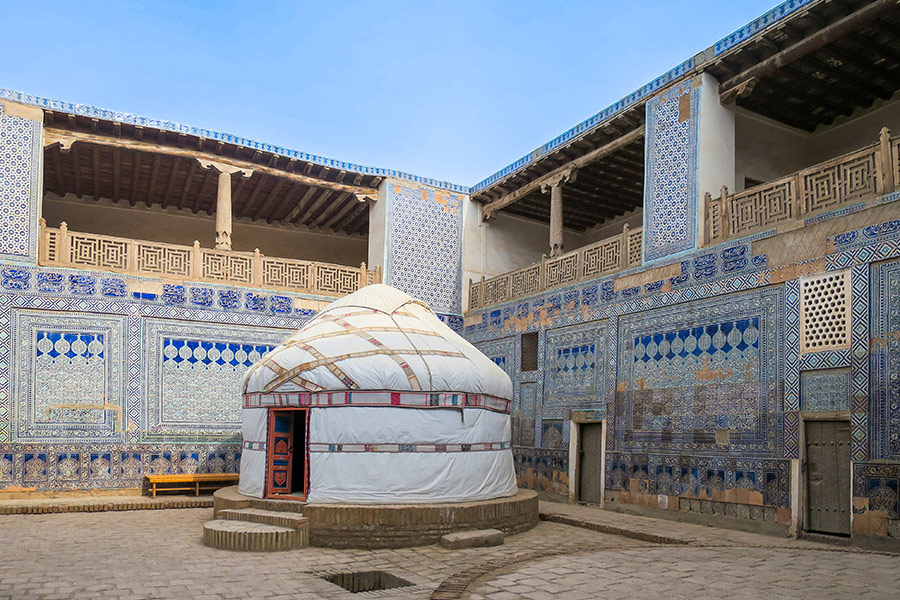
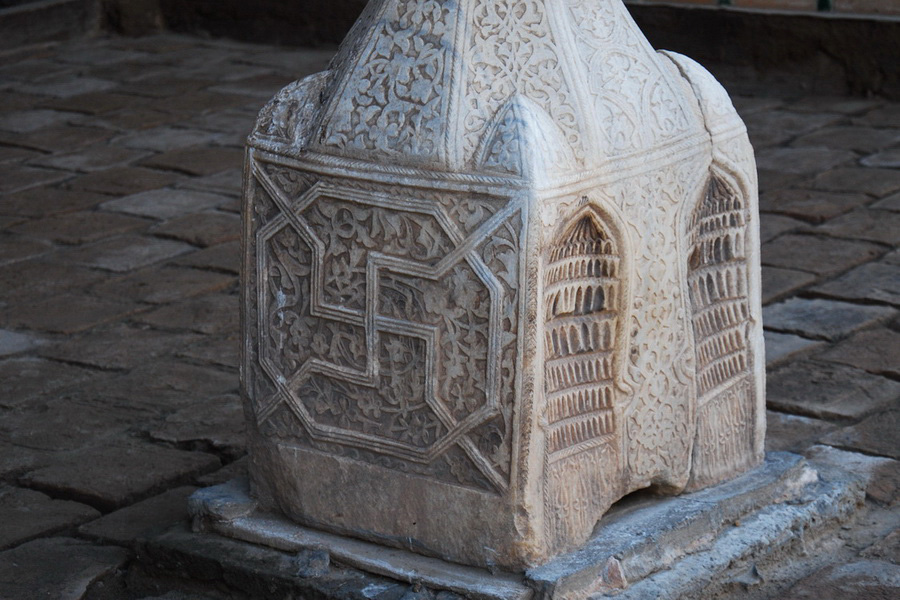
The Muhammad Niyaz Divanbegi Madrasah, constructed in 1871, still retains its historical charm while housing a restaurant and small hotel.
Among the most famous landmarks in Khiva is the Kalta Minor, a partially completed minaret. It began construction under the reign of Muhammad Amin-Khan (1845-1855), intended to be the tallest in the world. However, it remains at a height of 29 meters, decorated with majolica, after the Khan's death in 1855.
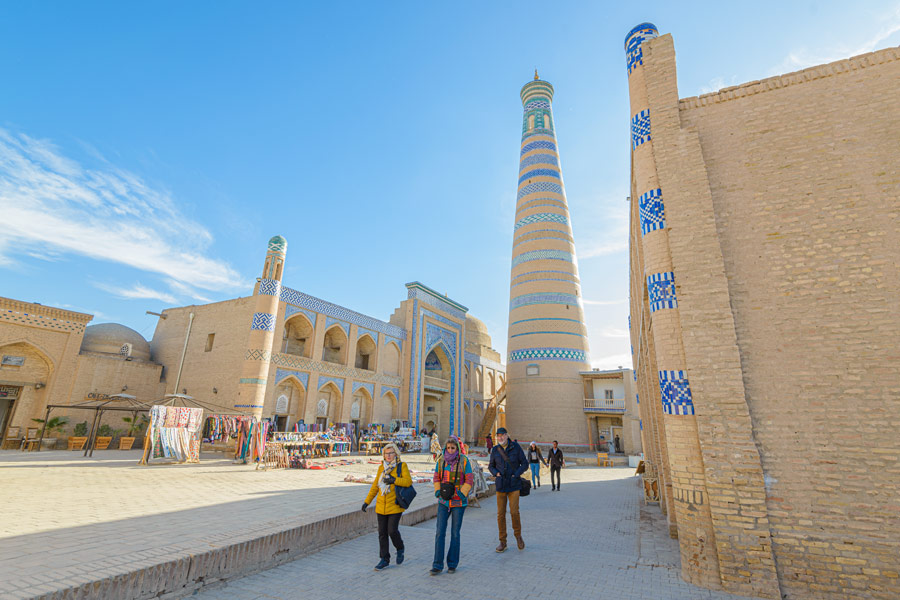
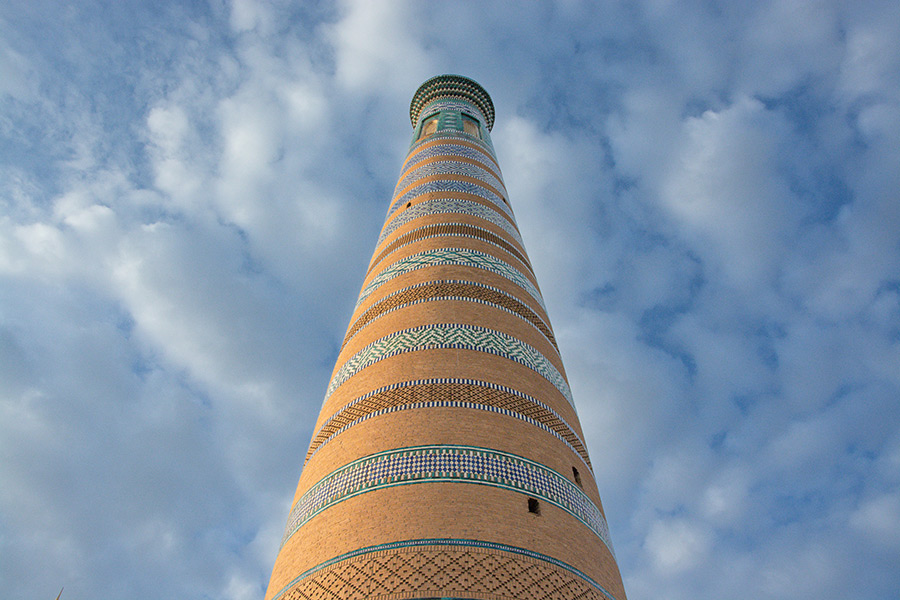
The second tallest and famed minaret in Khiva, the Islam-Khoja Minaret, stands at 56 meters. Almost visible from any part of Ichan-Kala, it is associated with a madrasah having 42 cells.
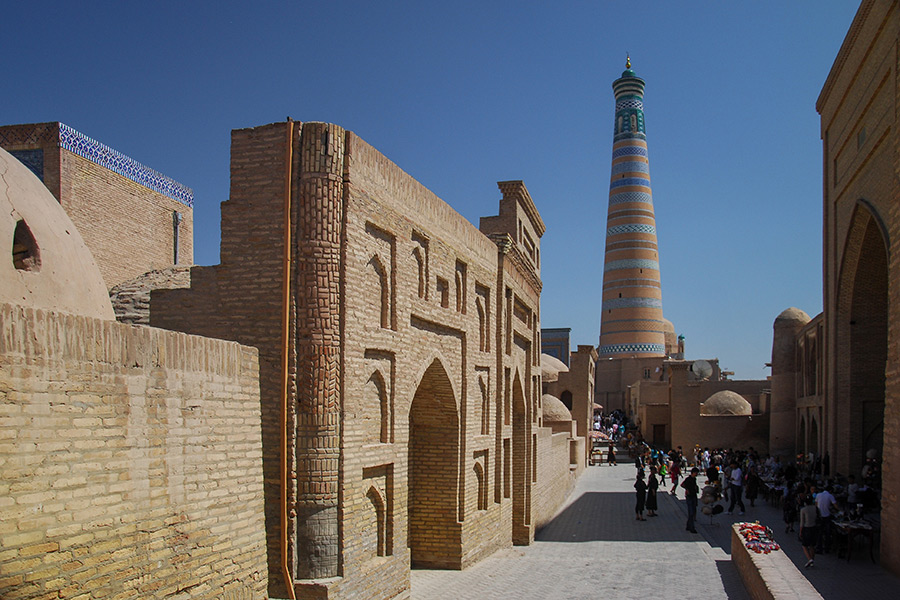
Finally, the Shergazi-khan Madrasah, dating back to 1726, stands as one of Khiva's oldest educational buildings. Its construction, begun in 1718 by Shergazi-khan, also includes an adjacent mausoleum for the khan.
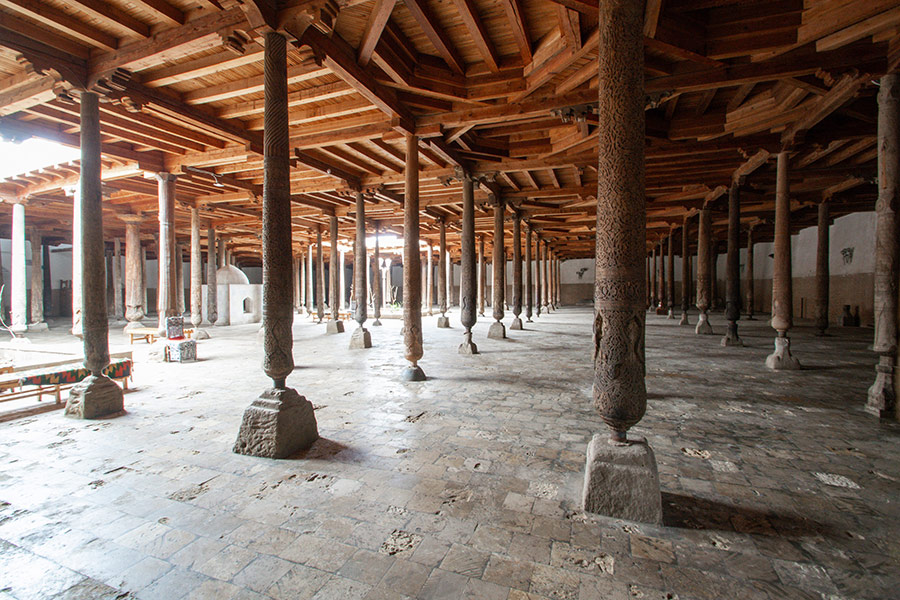
The Juma Mosque, built in 1788 on the site of an earlier 10th-century mosque, is unique for its design without domes, portals, galleries, or courtyard, featuring 213 carved wooden columns.
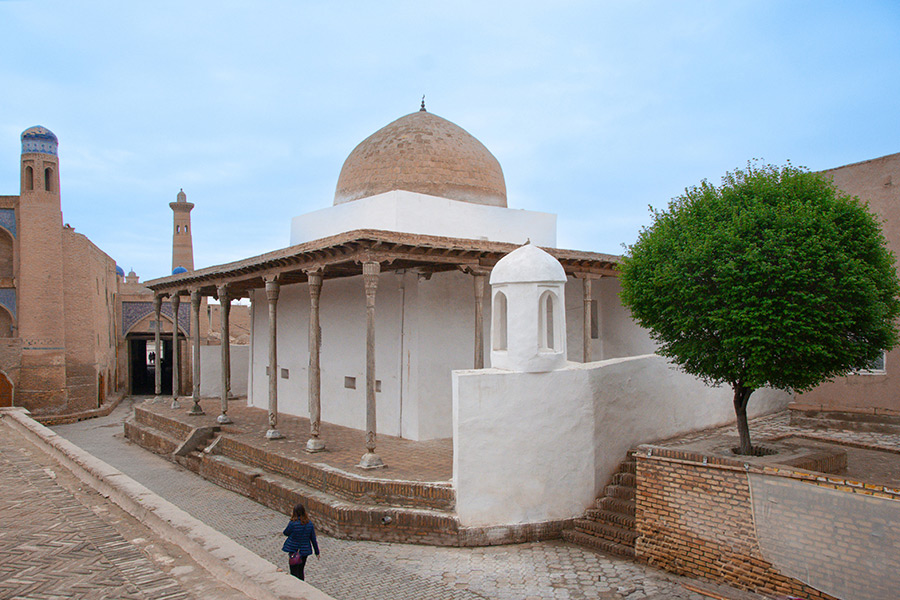
The Ak Mosque, established in 1842 and known as the "white" mosque, stands apart from typical Khiva religious architecture with its white facade and handmade wood carvings.
One of Khiva's oldest structures, the Sayid Allauddin Mausoleum, commemorates Sheikh Sayyid Allauddin, who died in 1303. A pilgrim hall was added in the 17th century.
The Pahlavan Mahmud mausoleum, erected in the 19th century over the tomb of a 14th-century wealthy man and poet, is among Khiva's most beautiful buildings, drawing numerous pilgrims.
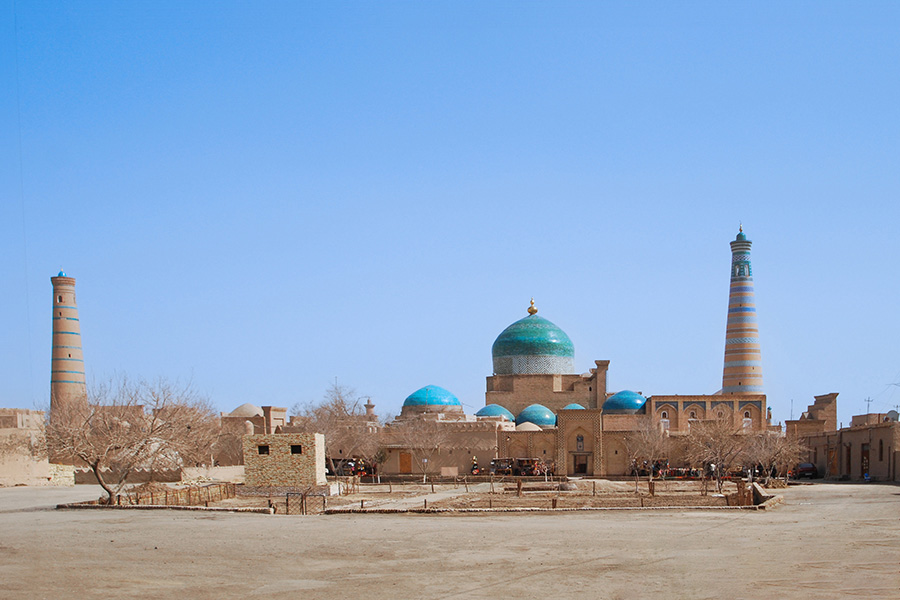
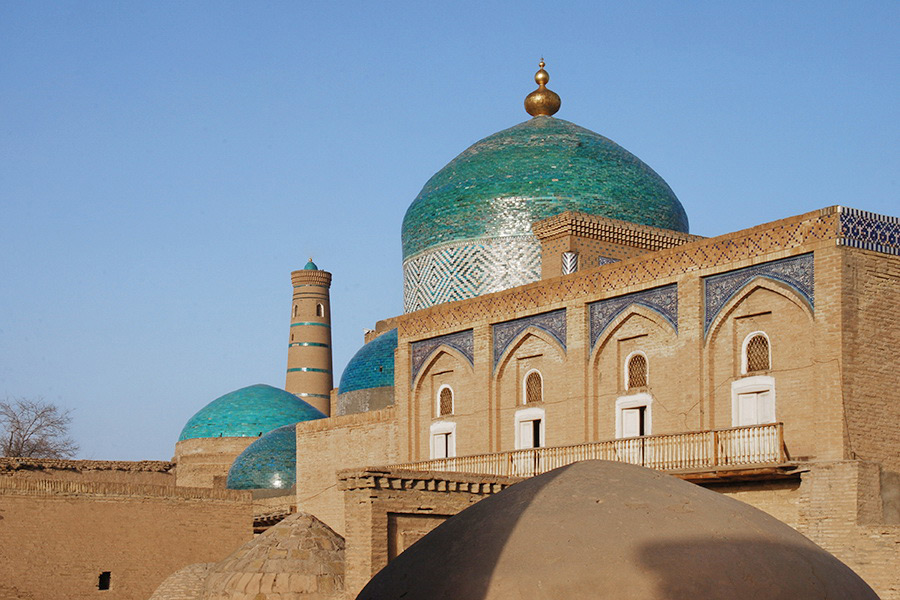
The Allakuli Khan and Kutlug Murad Inak madrassahs, facing each other, form what is known as a kosh-madrassah ensemble. This architectural arrangement captivates tourists, offering unique photo opportunities with its distinctive layout.
Dishan-Kala (or Deshan-Kala), the outer city beyond Ichan-Kala, is also encircled by fortress walls. Today, only a few of its entrance gates remain, including the Kosh-darvosa and Hazarasp-darvosa. Another gate, Gandimyan-darvoza, is operational but was reconstructed "measure for measure" from old drawings in 1970. Originally, Dishan-Kala had ten gates, each securely locked at night.
The Nurullabay Palace, once the summer residence of Khorezm's leaders, stands out for its unique design. Built outside Ichan-Kala shortly before the revolution, the palace's decor sets it apart from other Khiva structures by blending Oriental and European styles.
What to Do In Khiva?
In Khiva, you can enjoy performances by tightrope walkers during the warmer months. It's also worth witnessing the traditional Khorezm dance "Lazgi," a UNESCO-listed intangible cultural masterpiece, or attending a puppet theater show.
Food in Khiva
Khiva's cuisine is renowned across Uzbekistan, particularly for dishes like tukhum-barak and shivit oshi. Tukhum-barak features boiled dough with a raw egg filling, creating an incredibly tender dish with a light, airy texture, traditionally topped with butter and sour cream. Shivit oshi is a striking green noodle dish, made with dough mixed with water and chopped dill, served with a meat and vegetable gravy. Another local specialty is suzma pilaf, a version of traditional pilaf without the usual spices like zira and barberry, yet still flavorful and considered the most dietary-friendly in Uzbekistan due to its lean meat. Don't miss the chance to try Khorezm bread: patyr, a round flatbread, and churak, filled with onions and tomatoes. Also, savor the renowned Khorezm melons, famous for their delicious taste.
Shopping in Khiva
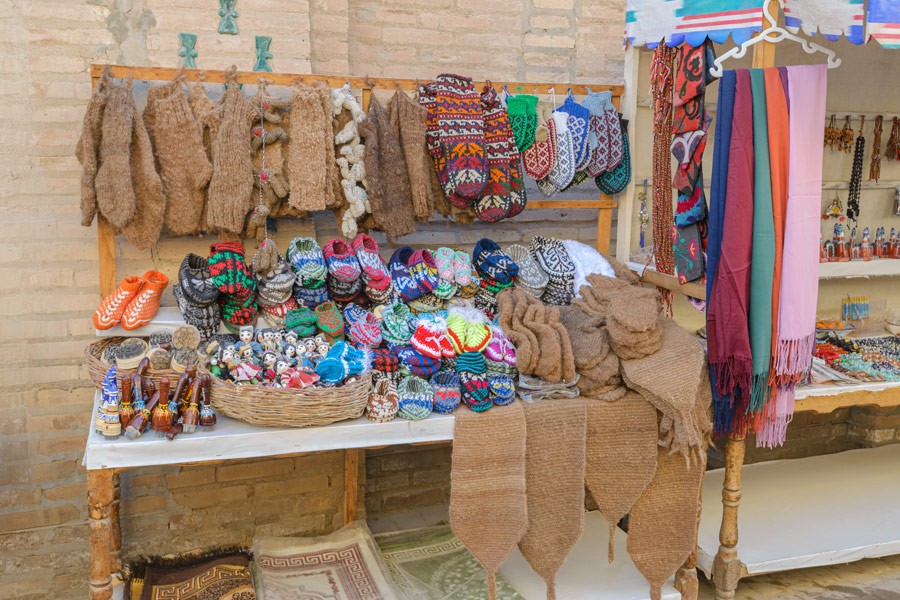
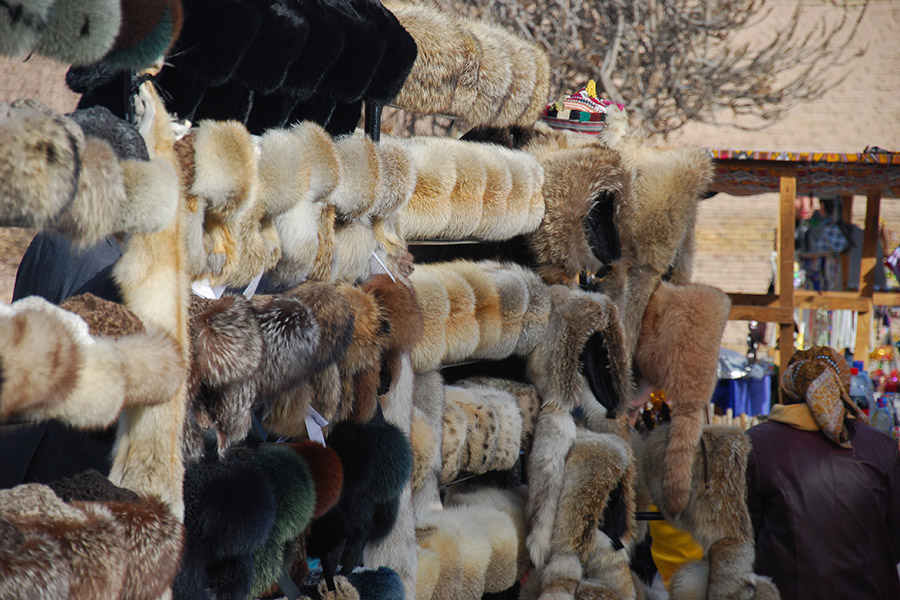
When shopping in Khiva, look for unique items like papakh hats, warm handmade quilted chapanes, lint-free carpets, ceramics, and carved woodwork. Within the Ichan-Kala walls, you can find thick, soft socks resembling boots, perfect as house slippers, and warming belts made from camel wool. The silk carpet workshop inside Ichan Kala is a must-visit, where you can witness carpet weaving and purchase handmade carpets.
Best Time to Visit
Khiva is a year-round destination, but the ideal time to visit is between March and May or September and November. Summers can be quite hot, and winters are less crowded, offering a different experience of the city.